Lichfield Canal Restoration: Fosseway to Ogley
Earlier this year Duncan Moore asked LHCRT engineering director Peter Buck about what is needed to complete the restoration of the Lichfield Canal from
Huddlesford through to Ogley. In the previous article we reviewed the restoration from Huddlesford to Fosseway Lane.
In this article we continue the journey up the top three lock flights from Fosseway Lane to Ogley Junction where the Lichfield Canal (as we call it now) joins the Wryley and Essington Canal.
Maps prepared by Duncan Moore from Google Earth.
See alternative version with O.S. maps from 1920
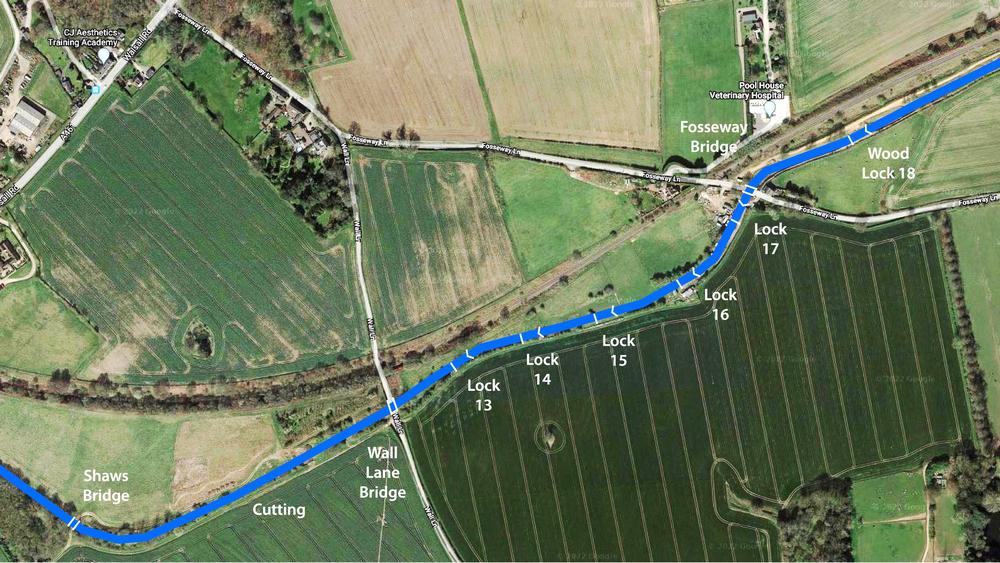
7. Fosseway Lane to Wall Lane

From an engineering point of view, apart from a couple of major road crossings, this half of the restoration is much simpler. However, restorations are complicated things with many different factors affecting each site: engineering, funding, land ownership and particular opportunities. Progress is usually driven more by tactics and opportunities than by strategy.
Lock 18 just before Fosseway Lane, now known as Wood Lock after Trust Founder Eric Wood, was one of the early restoration sites. The lock is restored and ready for gates and water. The channel above has recently been re-excavated up to Fosseway Lane and the towpath wall rebuilt. There was a sharp turn into the bridge, which appears to have been demolished, but the road height here makes reinstatement relatively straightforward.
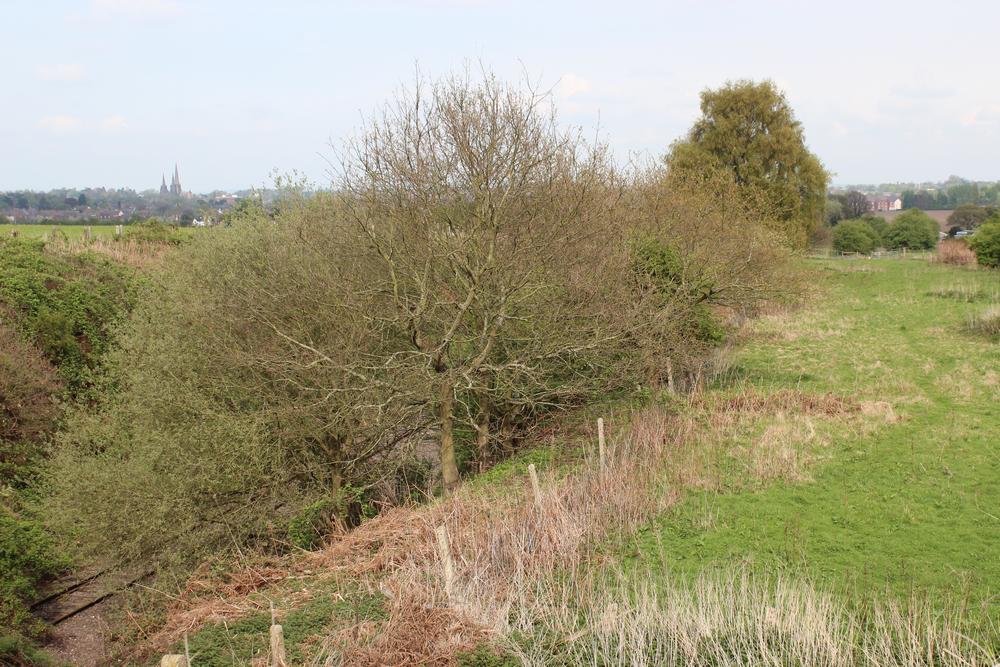
Another challenge is an extension of the lock cottage which partially obstructs the towpath ramp up to the road. Locks 17-13 were infilled fairly soon after the canal was closed and are likely to be well preserved. It’s rumoured that one of the chambers was filled with a lorry load of old shoes! These locks and their side pounds were particularly attractive, sweeping down the hillside with open vistas across to Lichfield Cathedral and will be a beautiful feature once restored. Above the locks Wall Lane Bridge has either been demolished or buried, but as the canal entered a cutting at this point again there is plenty of headroom to rebuild it. The cutting itself has been infilled and will need to be re-excavated. Beyond the cutting Shaw’s bridge has been flattened and will probably require replacement.

8. Pipehill
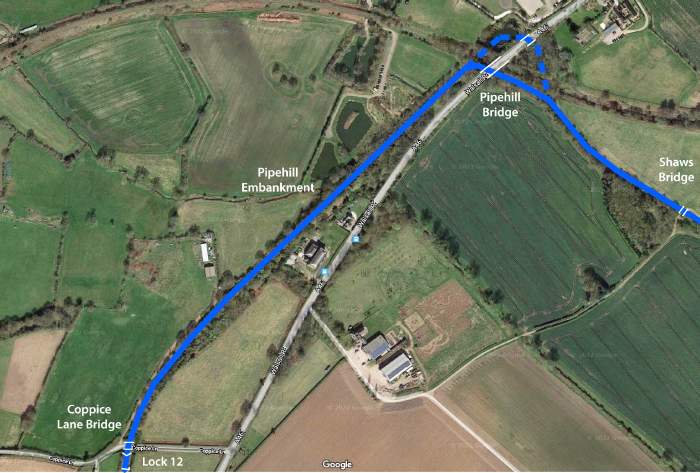
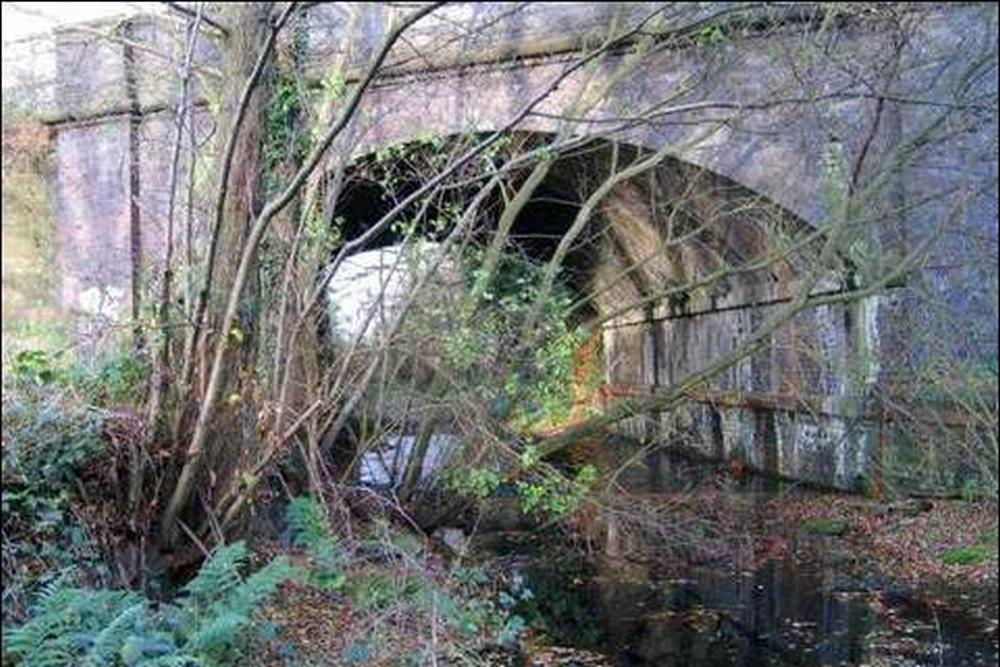
The section from here running to the intact Pipehill bridge and then over the long embankment behind Pipehill pumping station is intact and still holds some water but is overgrown. This section will be one of the most straightforward to restore.
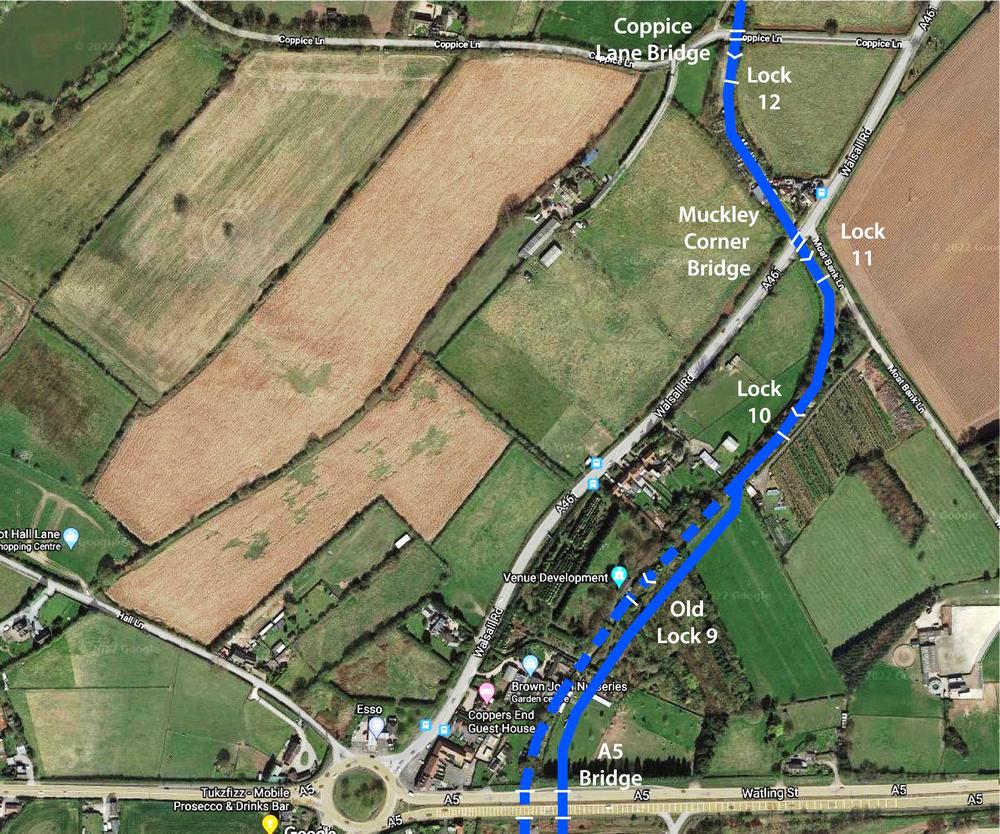
This brings us to the dropped Coppice Lane Bridge which will need to be replaced and approach ramps built for road.
9. Muckley Corner and the A5
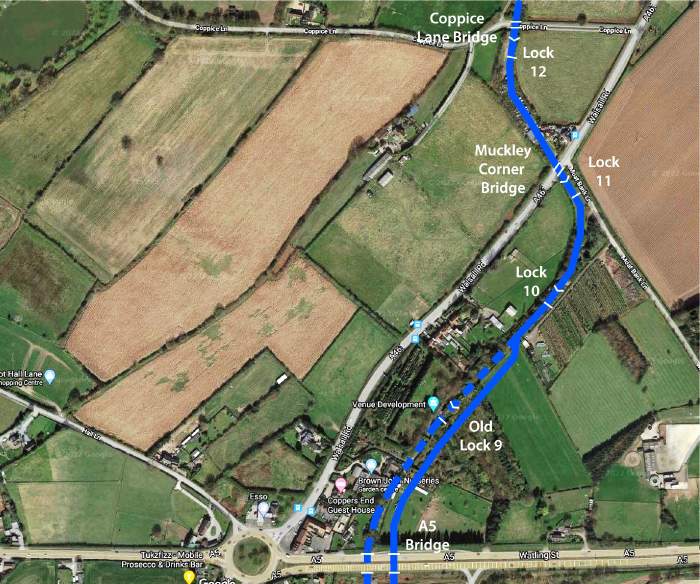
Beyond Coppice Lane bridge is the infilled Lock 12 and above the channel will need to be dug out as far as the A461 bridge which survives intact. Immediately beyond the bridge lies the infilled lock 11 and a little further along lock 10, both of which lie in a nursery. In the last few weeks the DoE volunteers have begun some clearance work on this length.
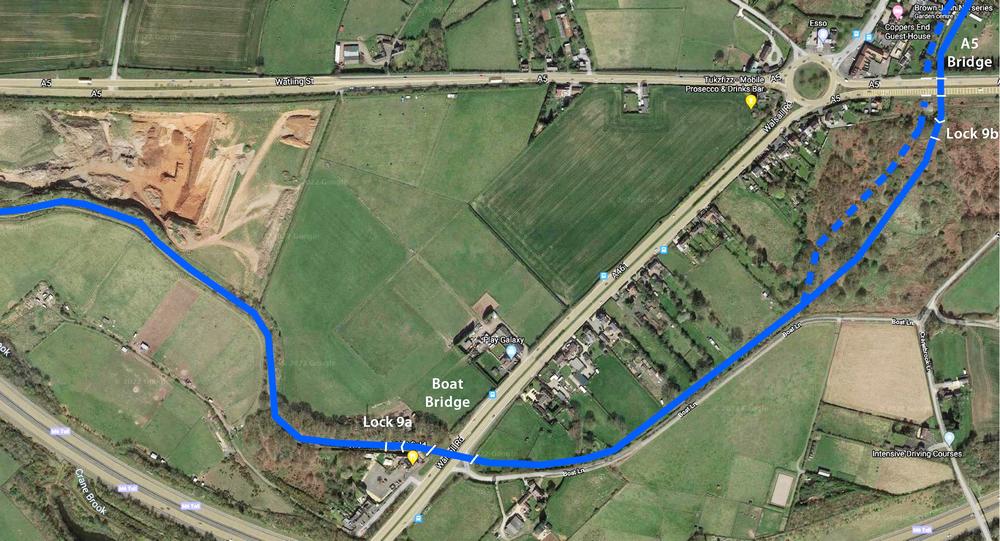
Lock 9 was the top lock of the second flight, but this will need to be relocated to solve the two biggest challenges on this length of restoration, the A5 and the A461 Boat Bridge crossings.
The channel will need to be moved slightly to the south east of its current alignment and the fall of lock 9 split in two. The first half will be located just to the South of the A5 to give headroom to get under the dual carriageway, the other half will need to be moved to the far side of the A461, Boat Bridge, to get under that dual carriageway. This will mean the channel will have to be lowered by half a lock for the length across Wall Butts Common between the A5 and the A461. Access will also be provided for the end of the gardens which will run down the canal which currently run to the road.
10. Summerhill

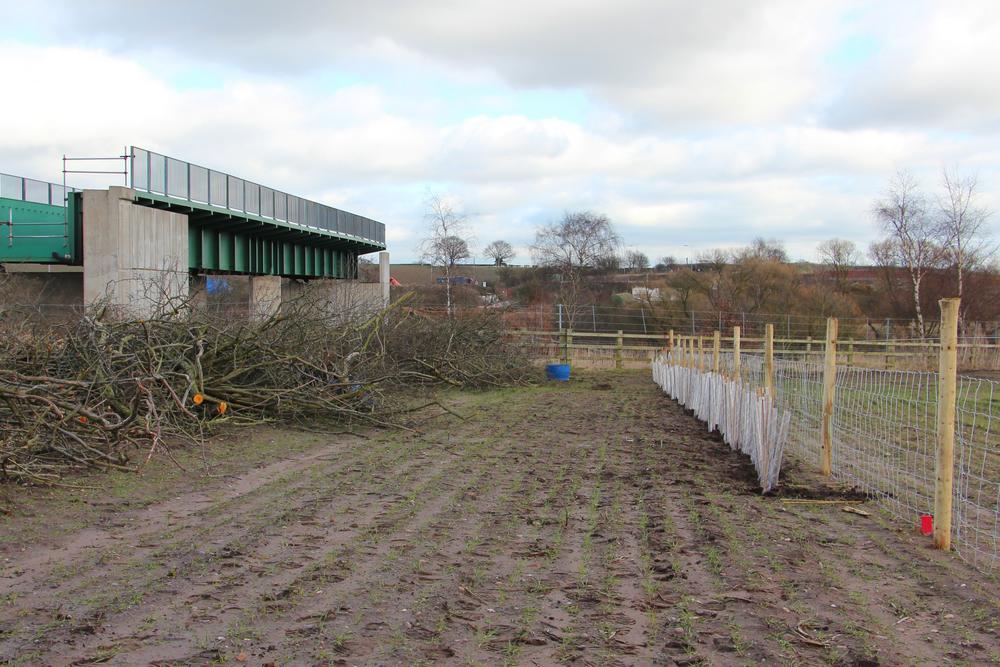
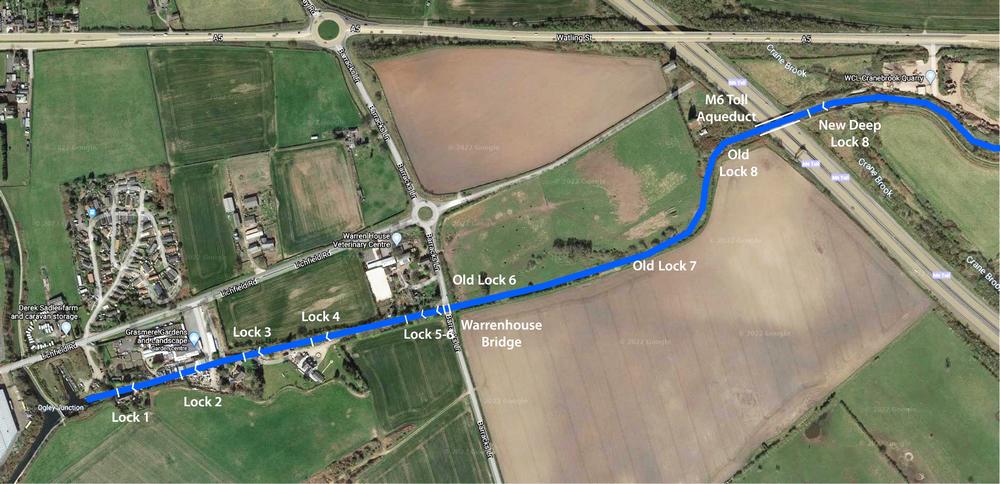
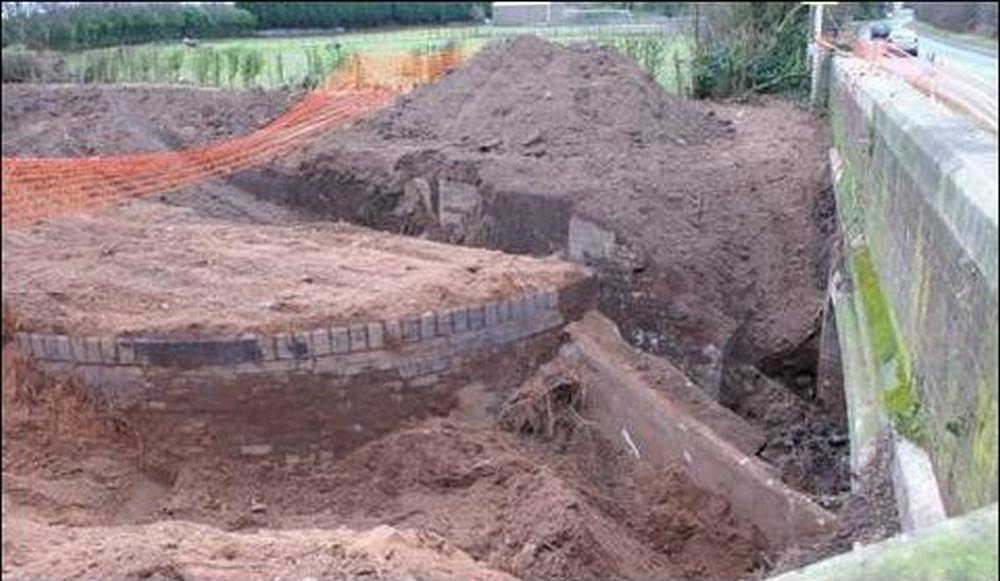
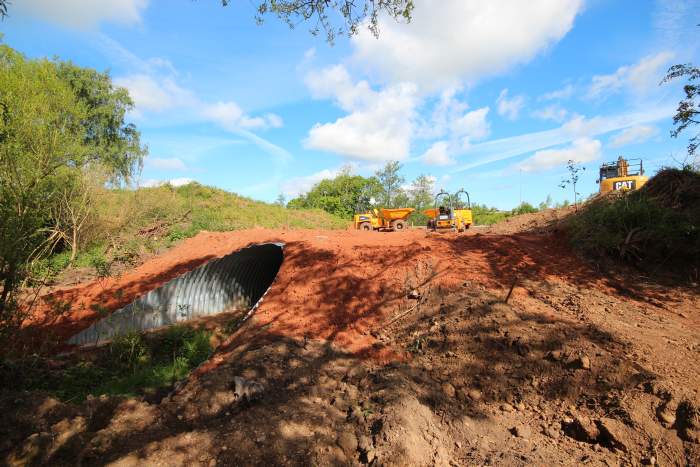
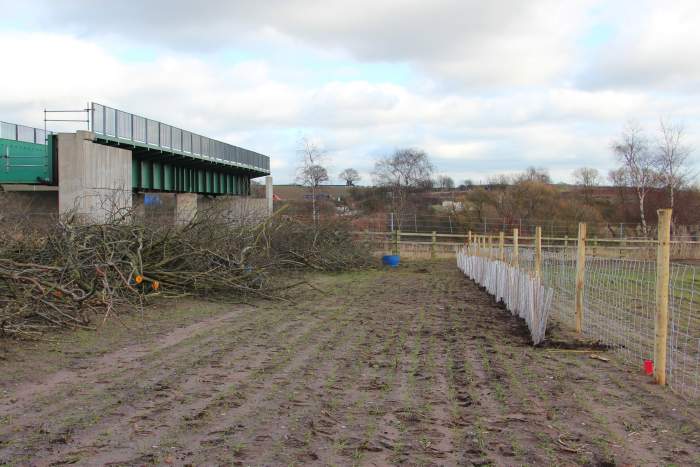
The next section at Summerhill (from the A461 to the M6 Toll Aqueduct) has been cleared and the towpath reinstated, an attractive and rural stretch except for the M6 Toll Road roaring down the valley. At the end of this section the Trust has rebuilt the culvert and embankment that carried the canal over the Crane Brook. After the Crane Brook is one of the most impressive feats of the project to date, the aqueduct installed to carry the canal over the M6 Toll. The aqueduct crosses the road about two locks higher than the level of the original bed, meaning that Locks 7 and 8 will need to be combined into a new deep lock just before the aqueduct with added back pumping to provide enough water.
11. M6 Toll Aqueduct to Ogley

An embankment will then need to be built to carry the restored channel over old Lock 8, the bottom of the first flight from Ogley Junction, and reconnect with the original level at old Lock 7 which, like old lock 24, will become narrows.
The canal, which had a wide side pound, then comes to Lock 6, Barracks Lane and Warrenhouse Bridge and immediately after to Lock 5. Warrenhouse Bridge was a steep hump-backed bridge which was demolished in the 70’s. Around the bridge are drives accessing the farm and a house built over the side pound of lock 4. This means it may be necessary to move Lock 6 to the other side of the bridge and make it into a staircase pair with Lock 5 in order to get under Barracks Lane.
The trust will need to provide a new access for a number of the properties alongside the top four locks and for the privacy of the owners, will have to move the towpath to the other side of the canal. The locks themselves were again infilled fairly soon after the canal was closed and are likely to be in reasonable condition under the infill.
The locks here all had large side pounds which cannot be used as two properties have been built on them so a different solution will be required, either back-pumping or creating links with pipes to resited side pounds. Helped by a generous grant from the Manifold Trust, the trust was able to buy the two cottages by the top lock, along with the infilled chamber, which they currently rent out.
This completes the journey from Huddlesford up to Ogley Junction. As mentioned, other than the A5 and A461 dual carriageways, this section contains considerably fewer engineering challenges than the lower half of the canal. However, much more of this length lies in private ownership and so progress on this section will require more negotiation and land purchase.
Duncan Moore

Become a member of the Trust and support us from wherever you live, from the comfort of your home: